
Corns and liktornar: why they keep coming back
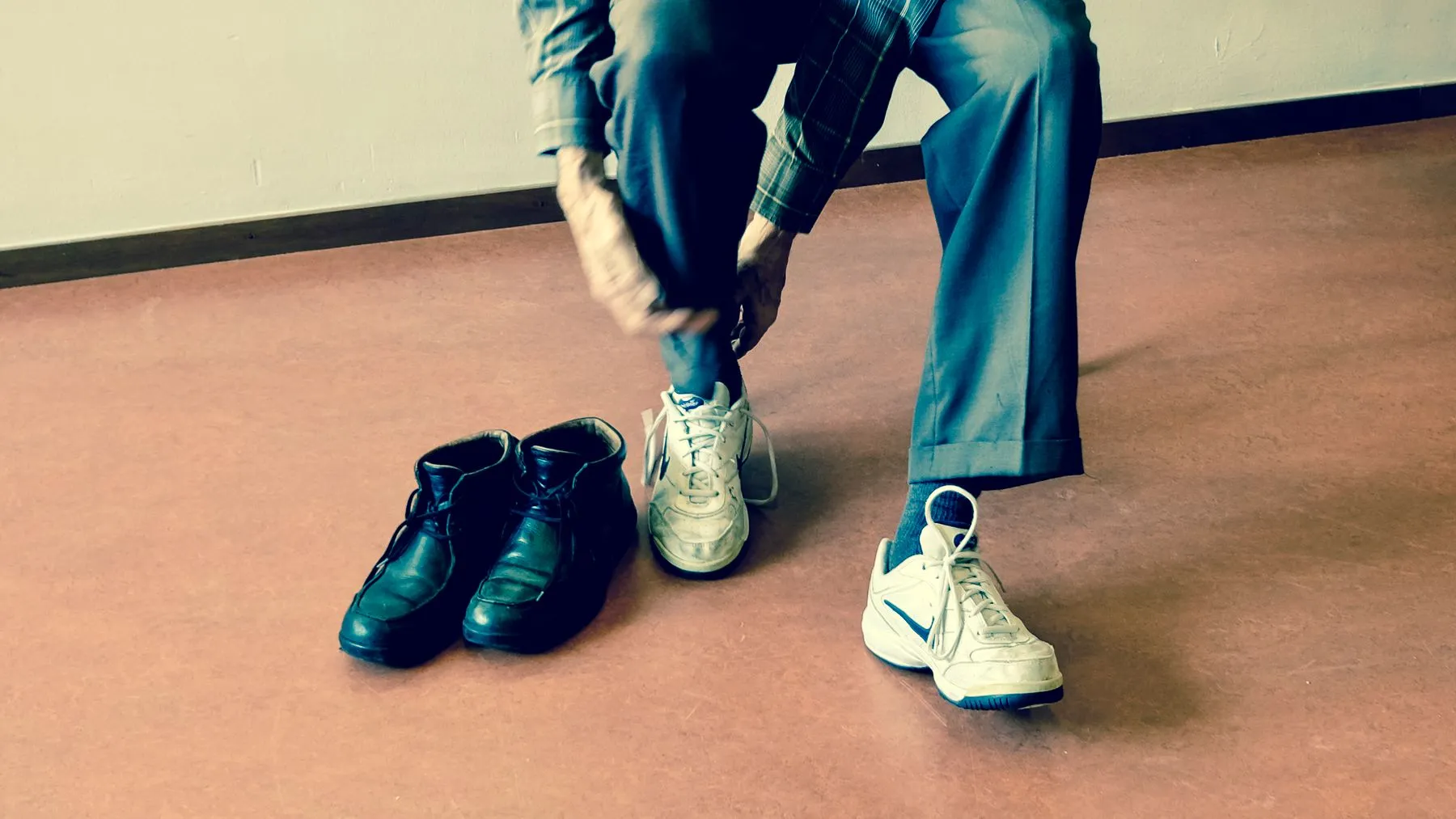
Same toe, same spot, again
You dealt with it. A plaster from the apotek, a few sessions with a file, and the sore spot on the little toe went away. Three months later it is back in exactly the same place, and you are standing in the pharmacy aisle wondering what you did wrong.
Probably nothing. Corns come back because whatever made them is still happening.
What a corn actually is
A corn, liktorn in Swedish and känsä in Finnish, is the skin doing its job too well.
Press or rub on one small patch of skin, over and over, and the skin thickens to protect itself. A callus is that thickening spread over a broad area, such as the ball of the foot or the side of the heel. A corn is the same process concentrated into a point, which pushes a hard core downwards into the softer tissue underneath. That core is why corns hurt in a sharp, specific way that calluses generally do not.
There are two common types. Hard corns sit on the top or tip of a toe, or on the ball of the foot, usually where a bone lies close to the surface and a shoe presses on it. Soft corns form between the toes, where the skin stays damp and two toe bones rub against each other.
The location tells you where the pressure is coming from. A corn on the outside of the little toe means a shoe is too narrow there. A corn on top of the second toe usually means that toe sits higher than the others and catches the upper.
Why treating the corn alone does not hold
Filing a corn down, or using a plaster to soften it, removes the thickened skin. The pressure that produced it stays exactly where it was.
So the sequence runs: corn removed, skin returns to normal, the same shoe presses on the same spot for another few weeks, skin thickens again. That is the skin responding to unchanged conditions as it should, rather than a treatment failure.
Breaking the cycle means doing two things at once. Ease the current corn, and take the pressure off that point permanently.
What to check
Shoe width, not just length. Most people with recurring toe corns are wearing shoes that are the right length and too narrow. Stand on a piece of paper, draw round your foot, then stand the shoe on the outline. If the foot is wider than the sole, there is your answer.
Toe box height. A corn on the top of a toe means the upper is pressing down on it. Soft, flexible uppers press less than stiff ones.
Toe shape. Hammer toes, claw toes and overlapping toes raise or angle a toe so it meets the shoe where the shoe was not designed to be met. If a toe has changed shape over the years, the corn is a symptom of that change.
Seams and stitching. Run a hand inside the shoe. An internal seam sitting directly over a joint is a classic cause.
Socks. Bunched, thick or damp socks change the pressure more than people expect.
Heels and flats both. High heels push the forefoot forward into a narrowing space. Completely flat shoes with thin soles let every bit of ground pressure straight through.
Protecting the spot as ongoing care
Once you know where the pressure lands, the practical move is to keep something soft between that point and the shoe, and to keep doing it after the soreness fades rather than stopping there.
Footcore’s Liktornsdynor corn cushions are soft foam cushions with a hypoallergenic adhesive and a mylar top cover, so socks and tights glide over them rather than catching. Twelve per pack, which matters, because this is a repeated job rather than a one-off.
For a corn on the toe itself, a wrap-around gel sleeve does two things at once. Tåskydd gives full wrap-around protection and contains medical grade mineral oil, which softens the corn and the skin around it. The profile is slim enough not to change how a shoe fits, and the sleeves are washable and reusable.
Treat it the way you would treat a blister you know you are going to get again: protection before the rubbing, not treatment after it.
Things not to do
Do not cut a corn out. Not with scissors, not with a blade. The core runs deeper than it looks and the infection risk is real.
Be careful with medicated corn plasters. The acid softens skin indiscriminately, including the healthy skin around the corn. They are not suitable for anyone with diabetes, circulation problems or reduced sensation in the feet.
Do not file aggressively. Gently, on damp skin, a little at a time.
When to see someone
A fotvårdsspecialist or jalkaterapeutti can remove a corn properly and tell you what is causing it, which is usually worth one appointment even if you manage it yourself afterwards.
Go sooner if the corn is very painful, if the skin around it is red, warm or leaking anything, if a toe has visibly changed shape, or if you have diabetes, poor circulation or reduced feeling in your feet. In that last case, do not self-treat corns at all. Have them seen.
Sources: 1177.se and Terveyskirjasto on corns and hard skin; Apoteket and Apotek Hjärtat corn care guidance.

